Yıldız Technical University’s Department of Naval Architecture and Marine Engineering Educates Nearly 50% of the Industry
As one of Türkiye’s leading institutions in shipbuilding and maritime technologies, YTU offers not only a strong academic foundation but also practical, industry-oriented experience. Approximately 50% of Türkiye’s ship and yacht construction engineers are graduates of this department. Alumni actively contribute to the maritime ecosystem — from shipyards and defense industry organizations to design offices and shipowner companies.
“At Data Hidrolik, We Are Here to Contribute to the Future of the Industry”
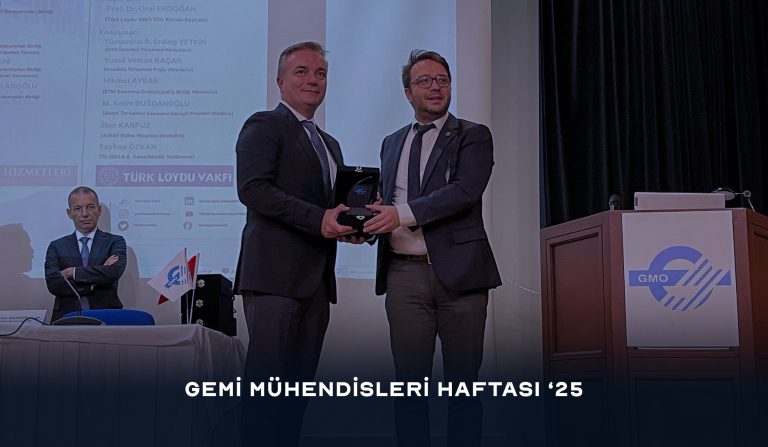
Commenting on his appointment to the advisory board, Cem Hüroğlu, Board Member and Sales & Marketing Director of Data Hidrolik, stated:
“It is a great honor for me, as a graduate of Yıldız Technical University, to serve on the advisory board of such a long-established institution that has shaped so many leading professionals in the maritime sector. We aim to share our industry experience and Data Hidrolik’s engineering culture with students, while strengthening the bridge between academia and industry.”
Data Hidrolik’s Continuous Support for Education
Data Hidrolik not only develops technology for the maritime equipment industry but also plays an active role in nurturing qualified human resources for the sector. Over the years, the company has supported vocational maritime high schools with equipment donations, contributed to international training programs, and organized factory visits for students — clear reflections of its commitment to education and industry development.
“Contributing to the development of future engineers is one of the most important steps toward building a sustainable future for our sector,” said Hüroğlu, emphasizing that such initiatives will continue to expand in the coming years.
What Does This Development Mean?
The collaboration between Data Hidrolik’s engineering vision and the academic expertise of Yıldız Technical University will pave the way for more innovative solutions, stronger R&D projects, and a new generation of engineers trained to international standards.